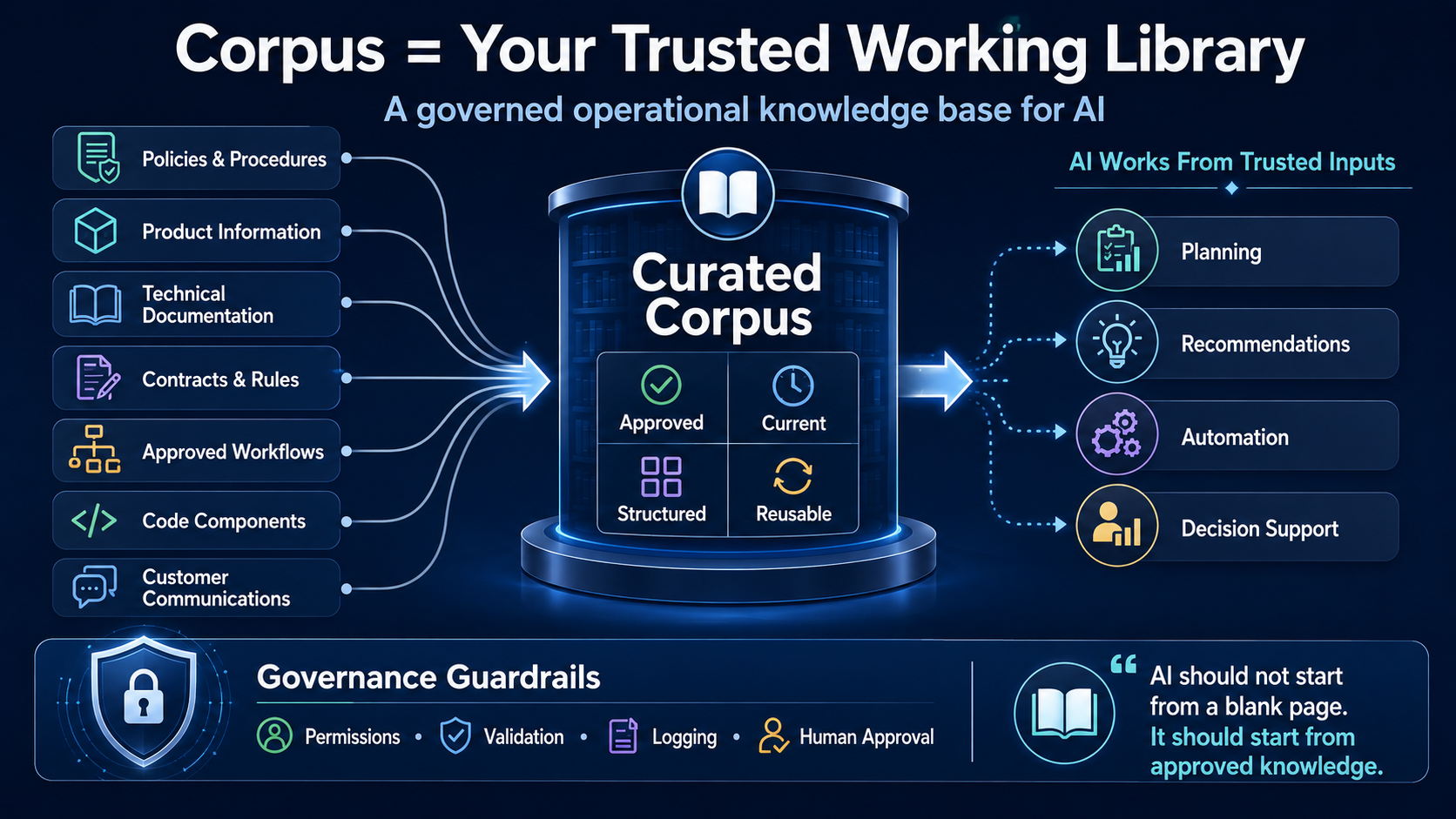
Enterprise trust in AI agents to make production changes without human approval has declined sharply. VB Intelligence found that the share of businesses willing to let AI agents act autonomously fell from 75% to 56%. The shift reflects growing caution about AI governance, oversight and the risks of uncontrolled automated systems in live environments.
Why Trust Is Falling
The drop signals a maturing view of AI in business. Early enthusiasm for fully autonomous AI has given way to a demand for human control, checks and approval gates. Organisations now recognise that AI agents making changes without oversight can introduce errors, security gaps or business disruption into production systems.
This shift aligns with industry-wide moves toward responsible AI deployment. Regulators, boards and technology leaders increasingly expect AI systems to include approval workflows, audit trails and human sign-off at critical moments. Autonomous action without governance is now seen as a business and compliance risk.
What Enterprises Want Instead
Organisations are moving toward AI-assisted development models that preserve human judgment. Rather than handing control to AI, enterprises want AI to propose changes, automate routine tasks and surface recommendations—while humans review, test and approve before anything reaches production.
- AI suggests code changes or process improvements based on business needs
- Automated checks validate the proposal against security, quality and compliance rules
- Human teams review the work, understand the reasoning and approve or reject
- Changes deploy only after sign-off, with clear audit records of who approved what
This model keeps AI's speed and pattern-matching power while ensuring that humans stay in control of critical decisions. It also creates accountability: you know who approved each change and can trace any issues back to a decision.
The Role of Governance in AI Development
Governance and approval workflows are becoming table stakes for AI-powered software development. Enterprises expect AI tools to enforce checks at each step: validation of requirements, testing of proposed changes, and formal approval before deployment. These controls reduce risk and build confidence in AI-assisted work.
Built-in governance also helps organisations meet regulatory expectations and internal policy. When AI systems include transparent approval gates and audit trails, teams can demonstrate that they have maintained human oversight and due diligence over automated systems.
What This Means for Software Development
The trend reflects a practical reality: the most effective AI-driven development combines AI capability with human judgment. AI excels at proposing solutions and automating the routine; humans excel at understanding context, weighing trade-offs and making accountable decisions. Together, they deliver faster, safer software.
For businesses investing in AI development tools, the lesson is clear. Systems that include strong approval workflows, automated checks and clear audit trails will gain trust. Systems that ask humans to blindly trust AI will struggle to win adoption in risk-conscious organisations.